A chipped front tooth or stubborn discoloration can change how you feel about your smile. Even small imperfections may become noticeable when you speak, laugh, or take pictures. Porcelain veneers offer one way to address these concerns and create a more balanced appearance.
For patients considering Porcelain Veneers in New Braunfels, TX, understanding the treatment process is a helpful first step. From checking your dental health to choosing the right shade, each stage plays a role. Here’s what you can expect before, during, and after treatment.
What Are Porcelain Veneers and How Do They Work?
Porcelain veneers are thin, custom-made shells that cover the front surfaces of selected teeth. A dentist bonds each veneer to the tooth to change its visible appearance. These restorations can address several common cosmetic concerns.
Patients often consider veneers for:
- Stubborn discoloration: Veneers can cover certain stains that professional teeth whitening may not remove.
- Chipped teeth: A custom veneer can restore the appearance of a damaged front tooth.
- Small gaps: Veneers may reduce the appearance of minor spaces between suitable teeth.
- Uneven edges: They can improve the appearance of teeth with worn or irregular edges.
- Tooth shape: Custom designs can make teeth look more balanced and proportionate.
Porcelain has a translucent appearance that can resemble natural tooth enamel. Dentists select each veneer’s shade and shape to complement surrounding teeth.
Unlike dental crowns, veneers cover only the front surface of a tooth. Crowns cover more of the natural tooth structure and serve different dental needs. Your dentist can explain which option fits your situation.
How Can Porcelain Veneers Improve Your Smile?
Porcelain veneers can address several cosmetic concerns through carefully planned changes. The dentist considers your existing teeth, facial features, and preferred smile appearance.
Here are some ways veneers may improve your smile.
Changing the appearance of stained teeth
Some teeth develop discoloration from aging, medication, or other factors. Whitening treatments may not correct every type of stain. Veneers can cover the visible surface and create a more consistent tooth color.
Improving uneven or worn teeth
Teeth can develop chips and worn edges over time. Custom veneers can change their visible shape and create a more even appearance. This can help improve the balance between neighboring front teeth.
Reducing the appearance of small gaps
Small spaces between front teeth can affect how a smile looks. Veneers may help close selected gaps without orthodontic treatment. However, larger spacing or bite concerns may require another approach.
Creating a more balanced smile
A dentist considers tooth length, width, color, and surrounding gum appearance. These details help guide the veneer design. The goal is an appearance that suits your natural features rather than making every tooth look identical.
Are You a Good Candidate for Porcelain Veneers?
Porcelain veneers may suit adults who want to improve the appearance of their front teeth. However, cosmetic concerns alone do not determine whether someone qualifies for treatment. Your dentist must first examine your teeth and gums.
Several factors can affect your suitability.
- Healthy gums: Gum disease should receive attention before cosmetic veneer treatment begins.
- Sufficient enamel: Dentists need suitable enamel to support reliable veneer bonding.
- Tooth condition: Untreated cavities, cracks, or significant damage may require other treatment first.
- Bite alignment: Severe bite problems can place extra pressure on veneers and increase damage risk.
- Teeth grinding: Clenching or grinding can affect how long veneers last.
Your daily habits and oral health history also matter. For example, someone who regularly grinds their teeth may need additional protection.
A dental examination helps identify these concerns before treatment. Your dentist can then discuss whether porcelain veneers, bonding, crowns, or orthodontic care better match your needs.
What Happens During Porcelain Veneer Preparation?
Getting porcelain veneers involves planning, preparation, and final placement. The exact number of appointments depends on your treatment plan and dental needs.
1. Your initial consultation
The dentist begins by discussing your smile goals and examining your teeth. They check your gums, enamel, bite, and existing dental work. This visit helps determine whether veneers are a suitable option.
2. Choosing the veneer design
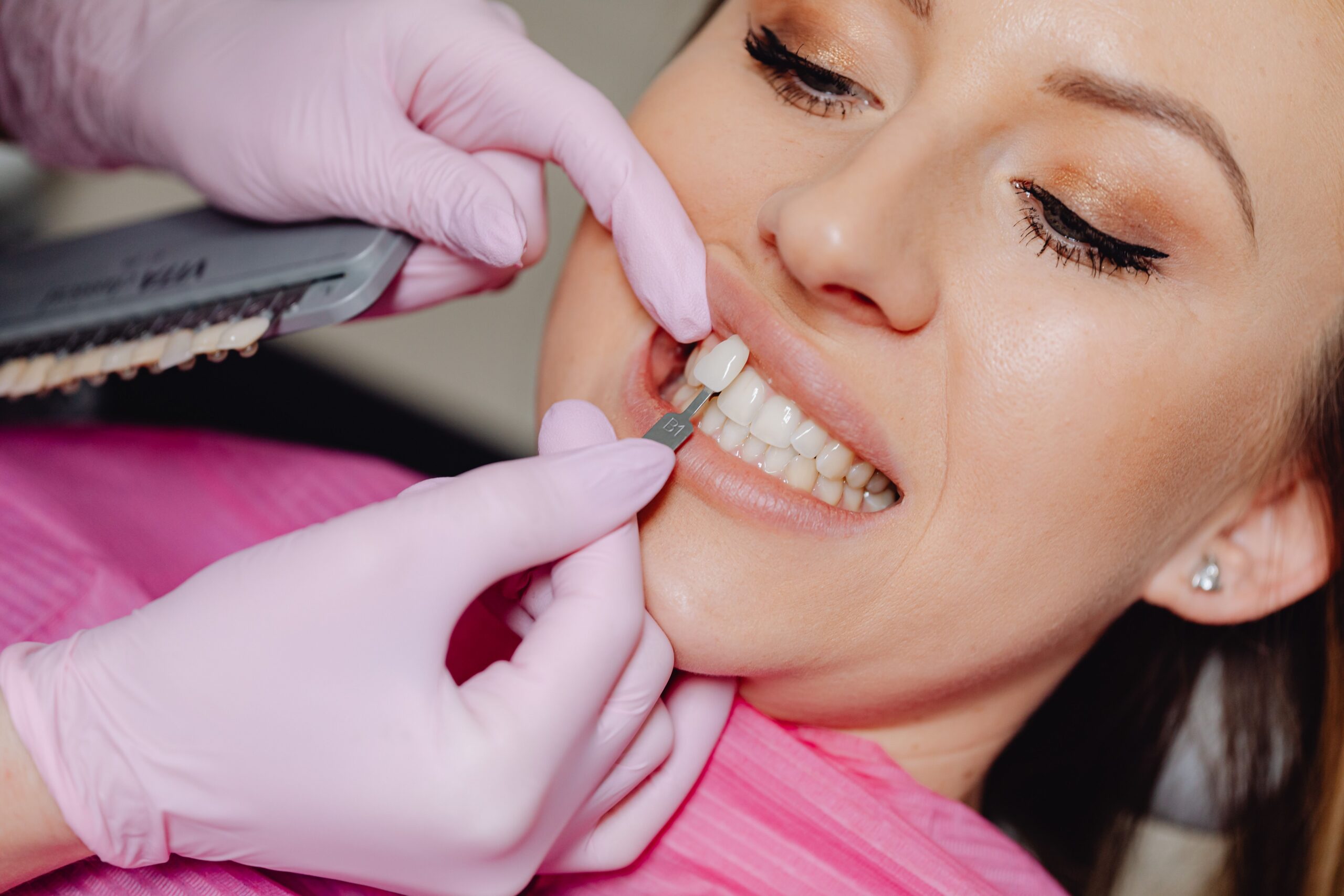
Next, you discuss the preferred tooth shade, shape, and overall appearance. The dentist considers your natural teeth when planning the design. This helps create veneers that complement your existing smile.
3. Preparing your teeth
The dentist may remove a small amount of enamel from the front surface. This creates room for the veneer and helps it fit naturally. The amount removed depends on the individual treatment plan.
4. Taking dental impressions or digital scans
The dentist records the shape of your prepared teeth. These impressions or scans help a dental laboratory create custom porcelain veneers. The final restorations are made to fit your teeth.
5. Wearing temporary veneers when needed
Some patients receive temporary veneers while their permanent restorations are being made. These protect the prepared teeth and provide a preview of the planned appearance. Your dentist will explain any temporary care instructions.
6. Placing your permanent veneers
At the final appointment, the dentist checks the fit, color, and shape. Once everything is suitable, the veneers are bonded to your teeth. The dentist then checks your bite and makes any necessary adjustments.
How Long Do Porcelain Veneers Last?
Porcelain veneers can last many years with proper care. However, their lifespan depends on your oral health, daily habits, and bite pressure. Regular dental visits also help your dentist monitor their condition.
Several factors can affect veneer longevity:
- Daily oral hygiene: Regular brushing and flossing help protect the teeth and gums around veneers.
- Grinding and clenching: Repeated pressure can cause chips or cracks in porcelain.
- Food choices: Biting hard candies, ice, or other hard objects can damage restorations.
- Dental checkups: Regular examinations help identify changes before they become larger problems.
Porcelain veneers are not permanent restorations. They may eventually need replacement because of wear, damage, or changes around the treated teeth.
Avoid using your teeth to open packages or bite hard objects. These habits can place unnecessary pressure on natural teeth and veneers.
How Should You Maintain Your Porcelain Veneers?
Good oral hygiene helps protect your veneers and the natural teeth underneath them. A consistent care routine also supports healthy gums and reduces the risk of dental problems.
Follow these practical steps after treatment:
- Brush twice daily: Use a soft-bristled toothbrush to clean your teeth gently.
- Floss every day: Clean between your teeth to remove plaque and food particles.
- Choose suitable toothpaste: Ask your dentist about a non-abrasive toothpaste for daily use.
- Avoid hard foods: Do not chew ice, hard candies, or other objects that could damage porcelain.
- Attend dental checkups: Regular visits allow your dentist to examine your veneers and surrounding teeth.
- Ask about a nightguard: If you grind your teeth during sleep, a custom nightguard may help protect your restorations.
One detail deserves attention: porcelain veneers do not respond to whitening products like natural teeth. Their color remains largely unchanged after placement. Discuss shade selection carefully before treatment begins.
Start Planning Your Smile Transformation in New Braunfels
Your smile goals deserve an individual treatment plan. A consultation with a Dentist in New Braunfels, TX can help determine whether porcelain veneers suit your dental needs. Ask about preparation, expected results, treatment time, and long-term care before making your decision.
Conclusion
Porcelain veneers can improve the appearance of chipped, stained, uneven, or spaced teeth. However, suitable candidacy and proper preparation matter. With consistent care and regular dental visits, patients can protect their restorations and enjoy their smile transformation.